
Hit Pause: 60-Second Stress Resets You Can Use Anywhere
Stressed but short on time? You’re in the right place. Today we dive into 60-Second Stress Resets You Can Use Anywhere, showing how tiny, science-backed actions calm your body fast. You’ll get portable techniques for commutes, meetings, parenting moments, and travel, plus memorable cues, micro-stories, and ways to practice discreetly without drawing attention.

Why a Minute Matters
A single focused minute can interrupt the stress spiral by nudging your nervous system toward balance. Small changes in breathing, posture, gaze, or movement can influence heart rate variability, cortisol rhythms, and perceived control. A nurse told us she used one mindful minute between patients and felt more present, steadier, and kinder. Multiply that by five micro-pauses a day, and you build a protective rhythm that cushions tough moments without needing a retreat or perfect conditions.
When stress spikes, your sympathetic system grabs the wheel. In about sixty seconds, deliberate exhalation, relaxed shoulders, and a softer gaze can invite parasympathetic signals back in. Think of it as tapping a dimmer rather than flipping a breaker. Light doesn’t vanish, but harsh glare softens. Try one minute of slow breaths and notice your jaw, pulse, and thoughts. That tiny shift often restores enough clarity to choose your next best move.
Five one-minute resets across a hectic day equal only five minutes, yet the benefit compounds. Research on microbreaks shows brief pauses improve energy, reduce fatigue, and stabilize focus. Like brushing teeth, these minutes prevent buildup rather than fix emergencies. Instead of waiting for vacation, sprinkle small restorations between tasks, calls, and transitions. You’ll finish days feeling less wrung out and more capable of handling tomorrow without dreading your calendar.
Breath, Reset, Repeat
Physiological sigh on standby
Inhale through the nose, then take a quick top-up sip of air, and exhale slowly through the mouth until empty. Repeat for about one minute, five to seven cycles. This pattern deflates trapped air in the lungs and lengthens exhalation, signaling safety to your body. A paramedic uses it before opening the ambulance doors, noticing steadier hands and clearer perception. It’s quiet, quick, and works even when the room stays chaotic.
Box breathing for focus
Trace a mental square: breathe in four, hold four, out four, hold four. Repeat for one minute. The counts create structure when your thoughts scatter, and the gentle holds tame urgency without strain. Pilots and performers rely on this when precision matters. If four feels tight, shrink to three. If calm arrives easily, expand to five. The shape, not the number, offers stability you can carry into your next decision.
One-minute humming exhale
Inhale quietly, then hum on the exhale, letting your lips lightly buzz. The vibration stimulates vagal pathways and lengthens the out-breath, relaxing the face and jaw. Do it softly in a hallway, parked car, or bathroom stall. One reader hums between back-to-back Zoom calls, noticing fewer headaches and kinder emails. If humming isn’t feasible, whisper a long ‘mmm’ or ‘vvv’ sound. Feel tension melt from your temples and shoulders.
Micro-Movement Magic
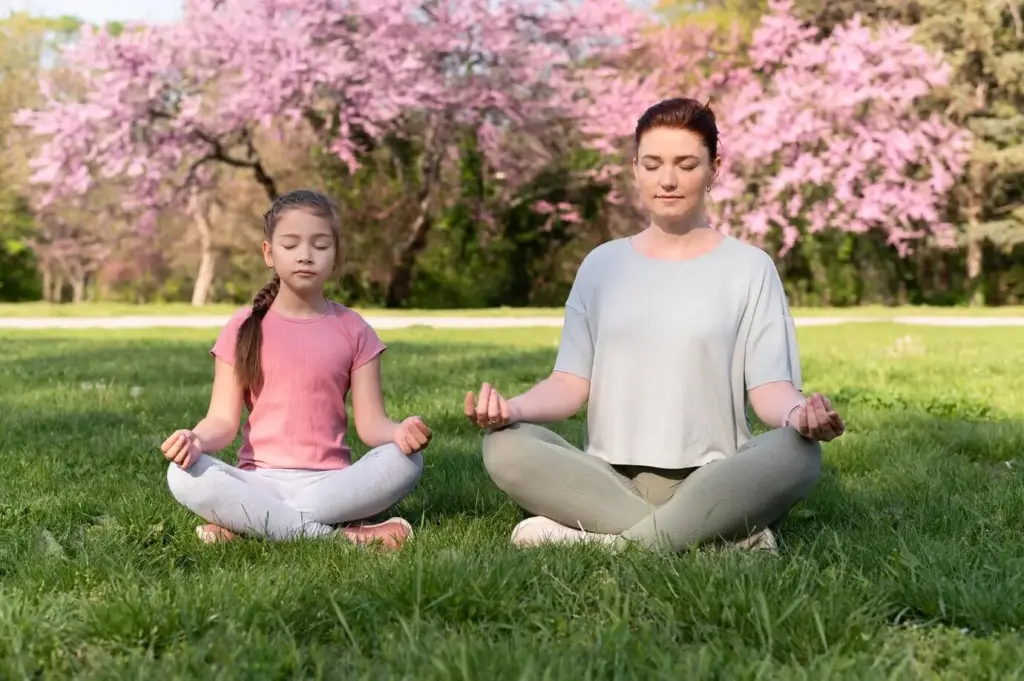
60-second mobility circuit
Stand tall, unlock your knees. Do slow neck arcs, shoulder rolls, and a gentle chest-opening stretch. Add a seated spinal twist if you’re at your desk, then ankle pumps and calf squeezes. Breathe with every move, exhaling slightly longer. Imagine wringing out tension from wrists and forearms like a towel. By the time the minute ends, you’ll feel warmer, clearer, and ready to write the email you were avoiding.
The tension shake-off
Start with your hands, then arms, shoulders, and feet, letting everything jiggle for sixty seconds. Keep it subtle if you’re around others, or go bigger behind a door. Athletes shake before performing to release micro-bracing that steals precision. An accountant told us she does a tiny, almost invisible shake in the elevator and steps out calmer before budget meetings. It looks silly, feels freeing, and resets your internal thermostat quickly.
Jaw, tongue, and brow release
Stress tightens the face first. Drop your tongue from the roof of your mouth, relax your brow, un-clench your jaw, and soften your gaze to widen peripheral vision. Pair this with slow exhales for one minute. Notice how thoughts stop racing when your jaw stops gripping. A violinist uses this reset between pieces to recover presence and warmth. It’s subtle, dignified, and compatible with even the most formal settings.


Mindset Micros that Stick
Name it to tame it
Put words to your internal weather: “I feel anxious because the decision is uncertain.” Labeling moves activity from raw reactivity toward regulation. Whisper it or write it on a sticky note for sixty seconds, then breathe twice. A teacher does this before parent conferences and starts with more empathy. The point is not perfection; it’s clarity. Once your state is named, your choices grow wider and kinder almost immediately.
One-sentence reframe
Add a small hinge: “This is challenging, and I can handle it for the next hour,” or “Right now is noisy, and I can focus on one step.” In one minute, your brain shifts from catastrophe to competence. A marketer uses this before creative reviews, replacing dread with curiosity. Keep the sentence grounded and specific, not grand. The goal is reducing threat, not pretending difficulty vanished. Precision matters more than pep.
Tiny gratitude burst
Set a sixty-second timer and list one person, one comfort, and one small win. If possible, message a quick thank-you to someone who helped today. This practice boosts mood and social connection, two strong buffers against stress. A resident physician started sending one-line appreciations after night shifts and felt less isolated. Gratitude is not naive; it is a balancing weight that helps you carry heavy loads without losing your steadiness.
Make It a Habit in Real Life
Consistency transforms clever tricks into quiet reflexes. Link one-minute resets to daily anchors, track them lightly, and invite support. You don’t need discipline so much as design. Cue your resets with actions you already do, celebrate imperfect streaks, and share progress with a friend. We’d love to hear your favorite sixty-second practice—reply, comment, or subscribe for weekly micro-guides and community challenges that keep these resets alive when life gets loud.

All Rights Reserved.